Thriving Plantz
Big Jim Hot Pepper Organic
Big Jim Hot Pepper Organic
Couldn't load pickup availability
Big Jim Hot Pepper Organic
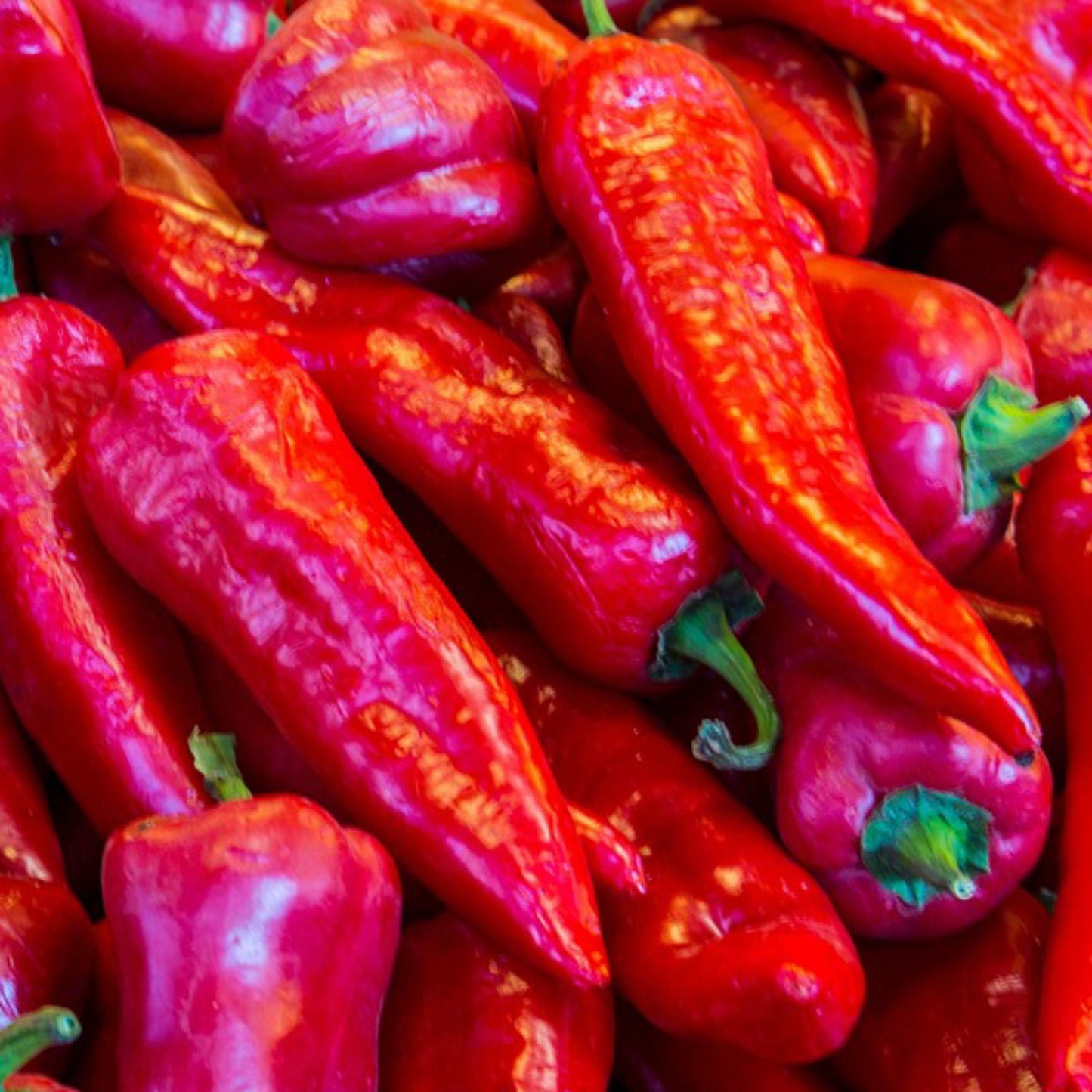
70 Days. Big Jim Hot Pepper produces 10-12” long, smooth, meaty fruits with a tangy flavor. Can be picked green or red. Great choice for stuffed peppers, chiles rellenos, or grilling. Grows well in containers and raised beds. Perfect for home gardens.
Heat Level: Medium 2,000 to 3,000 SHU
Open-Pollinated. Non-GMO. Heirloom. Organic
Heat and Drought Tolerant
Deer Resistant. High-Yielding
*Approximately 25 Seeds
Maturity: 70-95 Days
Germination: 7-10 Days
Light Needs: Full Sun
Planting Depth: ¼”
Start Indoors: 8-10 weeks before average last frost
Soil Needs: Fertile, Well-Drained
Plant Height: 16-24”
Plant Spacing: 18-24”
Row Spacing: 24-36”
Plant Spread: 18-24”
Start seeds indoors 8-10 weeks before the average last frost. Sow 2-3 seeds per pot or cell ¼” deep. Use a heat mat to help increase germination. Keep the seeds moist, not wet. Thin the seedlings to 1 per pot or cell after the first set of true leaves develop. Transplant when the plants are 3-4” tall and the temperatures remain consistently above 65°F. Harden off the plants before transplanting.
Plant in well-drained, fertile soil with a pH of 6.5-7 in an area that receives full sunlight. Mix 2-3” of manure and compost into the top 6-8” of the soil 2-3 weeks prior to planting. Space plants 18-24” apart in rows 24-36” apart. Fertilize the plants with high nitrogen fertilizer until flower buds develop. Then, switch to a high phosphorus and potassium fertilizer. Plants do not perform well in heavy clay soil.
Add 2-3” of mulch around the base of the plants to help retain moisture, keep the roots cool and suppress weeds. Water when the soil is dry 2” down. To help prevent disease, water at the base of the plants. Plants benefit from slow, deep watering. To help prevent blossom end rot, do not allow the soil to dry out between waterings, or root damage will occur. This prevents plants from absorbing the calcium needed to develop healthy fruits. The condition is typically not caused by a lack of calcium in the soil.
Share